Loose Powder Guide: Types, Coverage, Shades & How to Apply Loose Powder
Learn how loose powder helps set makeup, control shine, and create a smooth, long-lasting finish. Explore different types like translucent, setting, baking, and finishing powders and how to use them for a flawless look.
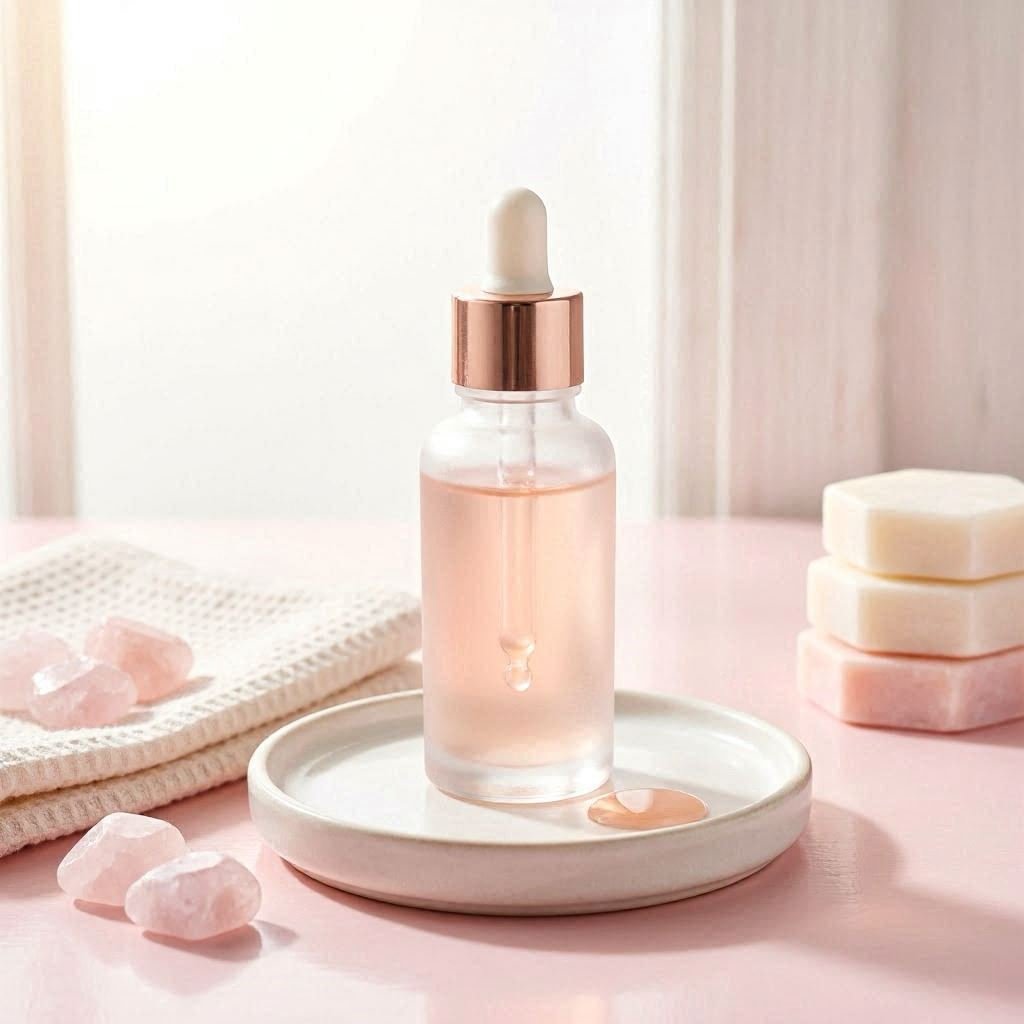
Ultimate Serum Guide: Types, Best Picks, and How to Choose the Right Serum
Discover the best serums for your skin type and concerns. From hydration and brightening to anti-aging and acne control, serums deliver concentrated active ingredients that target specific skin needs.
What Is a Serum?
A serum is a lightweight skincare treatment packed with active ingredients designed to penetrate deeper into the skin than moisturizers.- Targets specific skin concerns
- Contains high concentrations of actives
- Lightweight and fast-absorbing
- Used before moisturizer
Explore the Different Types of Serums

Hyaluronic Acid Serum
- Deep hydration boost
- Plumps skin
- Best for dehydrated skin

Vitamin C Serum
- Brightens skin tone
- Fades dark spots
- Antioxidant protection

Niacinamide Serum
- Controls oil
- Reduces redness
- Refines pores

Retinol Serum
- Anti-aging support
- Improves texture
- Boosts collagen

Peptide Serum
- Supports firmness
- Skin repair
- Anti-aging support

Exfoliating Acid Serum
- Removes dead skin cells
- Smooths texture
- Improves glow
Serum Type Comparison Table
| Type | Best For | Texture | Skin Type | Main Benefit |
|---|---|---|---|---|
| Hyaluronic Acid | Hydration | Gel-like | All skin types | Plumping hydration |
| Vitamin C | Brightening | Light serum | Dull skin | Glow & even tone |
| Niacinamide | Oil control | Water-based | Oily / combo | Refines pores |
| Retinol | Anti-aging | Light cream | Mature skin | Skin renewal |
| Peptides | Firmness | Serum | Mature skin | Collagen support |
| Acid Serums | Exfoliation | Liquid | Uneven texture | Smooth skin |
Best Face Serums Overall
The Ordinary Niacinamide 10% + Zinc 1%
Best For: Oily / Acne-prone Why: Reduces breakouts and controls oil Shop ProductSkinCeuticals C E Ferulic
Best For: Anti-aging / Brightening Why: Powerful antioxidant vitamin C serum Shop ProductLa Roche-Posay Hyalu B5 Serum
Best For: Dry / Sensitive Why: Deep hydration and skin repair Shop ProductThe Ordinary Hyaluronic Acid 2% + B5
Best For: Dry / Dehydrated Why: Lightweight hydration boost Shop ProductBest Serums by Skin Type
Oily Skin
Best Pick: The Ordinary Niacinamide 10% + Zinc 1% Why: Helps control oil, reduce breakouts, and minimize pores Shop ProductDry Skin
Best Pick: La Roche-Posay Hyalu B5 Serum Why: Deep hydration that plumps and restores moisture Shop ProductCombination Skin
Best Pick: Neutrogena Hydro Boost Serum (or Hyaluronic Acid Serum) Why: Balances oily and dry areas without clogging pores Shop ProductSensitive Skin
Best Pick: La Roche-Posay Toleriane Dermallergo Serum Why: Soothes irritation and strengthens the skin barrier Shop ProductBest Serums by Skin Concern
Acne & Breakouts
Best Pick: The Ordinary Niacinamide 10% + Zinc 1% Why: Helps reduce breakouts, control excess oil, and refine pores for clearer skin Shop ProductDryness & Dehydration
Best Pick: La Roche-Posay Hyalu B5 Serum Why: Intensely hydrates, plumps skin, and strengthens the moisture barrier Shop ProductDark Spots & Dullness
Best Pick: SkinCeuticals C E Ferulic Why: Brightens skin tone, fades dark spots, and boosts overall radiance Shop ProductSensitivity & Redness
Best Pick: Skin1004 Madagascar Centella Ampoule Why: Calms irritation, reduces redness, and supports skin healing Shop ProductBest Serums by Ingredient
Hyaluronic Acid
Best Pick: La Roche-Posay Hyalu B5 Serum Why: Deep hydration, plumps skin, and strengthens the skin barrier for a smoother complexion Shop ProductVitamin C
Best Pick: SkinCeuticals C E Ferulic Why: Brightens skin tone, fades dark spots, and provides powerful antioxidant protection Shop ProductNiacinamide
Best Pick: The Ordinary Niacinamide 10% + Zinc 1% Why: Helps control oil, minimize pores, and reduce redness for a balanced complexion Shop ProductRetinol
Best Pick: RoC Retinol Correxion Serum Why: Supports skin renewal, smooths fine lines, and improves overall texture and firmness Shop ProductHow to Apply Serums Properly
Applying serum correctly makes a big difference in how well your skin absorbs active ingredients and how effective your results are over time.
Start With Clean Skin
Always apply serum after cleansing so active ingredients can penetrate properly without barriers like dirt or oil buildup.Apply to Slightly Damp Skin
Serums absorb better when skin is slightly damp, helping ingredients like hyaluronic acid lock in extra hydration.Use 2–3 Drops Only
Most serums are highly concentrated. A few drops are enough for the entire face and neck.Press, Don’t Rub
Gently press serum into the skin using your fingertips instead of rubbing, which helps improve absorption and reduces irritation.Follow the Correct Order
Always apply serums after cleansing and before moisturizer. This ensures actives can penetrate deeply before sealing them in.Give It Time to Absorb
Wait 30–60 seconds before applying moisturizer so the serum can fully absorb into the skin.Don’t Forget the Neck
Extend serum application down to the neck and décolletage for even skin benefits and anti-aging support.Be Consistent
Serums work best when used consistently. Most active ingredients require daily or regular use to show visible results over time.How to Layer Serums in Your Routine
Layering serums correctly ensures each active ingredient works effectively without irritation or reducing performance. The key is applying in the right order and not overloading your skin.
Start With Water-Based Serums
Always apply the thinnest, water-based serums first. These absorb quickly and prepare the skin for heavier formulas.Move From Light to Heavy
A general rule: apply from lightest texture to richest. This helps prevent barrier buildup and ensures proper absorption.Layer by Active Type (If Using Multiple)
If using more than one serum, separate by function:- Hydrating serums (Hyaluronic Acid) first
- Treatment serums (Niacinamide, Vitamin C) next
- Targeted actives (Retinol, acids) last in serum step
Wait Between Layers
Give each serum 30–60 seconds to absorb before applying the next. This prevents pilling and improves penetration.Avoid Over-Layering Actives
Stick to 1–2 active serums per routine. Mixing too many strong ingredients can lead to irritation or weakened results.Separate Morning and Night Actives
Use antioxidant serums like Vitamin C in the morning and treatment serums like retinol at night for best results.Finish With Moisturizer
Always seal serums with moisturizer to lock in active ingredients and prevent water loss from the skin.Adjust Based on Skin Tolerance
If your skin feels irritated, reduce layering and simplify your routine to just one serum plus moisturizer.Common Serum Mistakes to Avoid
Using serums incorrectly can reduce their effectiveness or even cause irritation. Avoid these common mistakes to get the best results from your skincare routine.
Using Too Many Active Ingredients at Once
Combining multiple strong actives (like retinol, acids, and vitamin C) in the same routine can overwhelm the skin and lead to redness, dryness, or breakouts.Skipping Sunscreen After Actives
Ingredients like retinol and exfoliating acids increase sun sensitivity. Without SPF, results can be undone and irritation may increase.Applying Too Much Serum
Serums are highly concentrated. Using more than 2–3 drops does not improve results and may cause pilling or wasted product.Layering In the Wrong Order
Applying serum after moisturizer blocks absorption. Always apply serums before heavier creams for proper penetration.Mixing Incompatible Ingredients
Some ingredients don’t work well together (like vitamin C and certain exfoliating acids in the same routine), which can reduce effectiveness or irritate skin.Expecting Instant Results
Most serums take weeks of consistent use to show visible improvements. Switching products too quickly can prevent results from appearing.Applying to Completely Dry Skin
Some serums (especially hydrating ones) work best on slightly damp skin, which helps lock in moisture more effectively.Not Adjusting for Skin Sensitivity
Strong actives may need to be introduced slowly. Using them too frequently at first can lead to irritation or barrier damage.How to Choose the Right Serum
Choosing the right serum depends on your skin type, concerns, and skincare goals. Since serums are highly concentrated, selecting the correct formula ensures better results with less irritation.
By Skin Type
Oily Skin: Lightweight serums like niacinamide help control oil and refine pores Dry Skin: Hydrating serums with hyaluronic acid or peptides restore moisture Combination Skin: Balanced formulas that hydrate without heaviness Sensitive Skin: Soothing serums with centella or minimal active ingredientsBy Skin Concern
Acne & Breakouts: Niacinamide and salicylic acid serums help reduce blemishes Dark Spots: Vitamin C helps brighten and even skin tone Fine Lines: Retinol and peptides support smoother, firmer skin Redness: Calming serums help reduce irritation and inflammationBy Skin Goal
Hydration: Hyaluronic acid serums for plump, dewy skin Brightening: Vitamin C for glow and radiance Anti-Aging: Retinol and peptides for skin renewal Clarifying: Niacinamide and exfoliating acids for smoother textureBy Ingredient Focus
Hyaluronic Acid: Deep hydration and moisture retention Vitamin C: Antioxidant protection and brightening Niacinamide: Oil control, pore refinement, and redness reduction Retinol: Cell turnover and anti-aging supportBy Experience Level
Beginners: Start with gentle serums like hyaluronic acid or niacinamide Intermediate: Introduce vitamin C or mild exfoliating acids Advanced: Use retinol or layered active routines carefullyBy Routine Timing
Morning: Antioxidant serums like vitamin C protect skin during the day Night: Repair serums like retinol support overnight renewal Daily Use: Hydrating serums can be used morning and nightNot Sure Which Serum to Choose?
Use this quick guide to match your skincare goal with the best serum type.
| Goal | Best Type |
|---|---|
| Hydration | Hyaluronic Acid Serum |
| Brightening | Vitamin C Serum |
| Anti-aging | Retinol Serum |
| Oil control | Niacinamide Serum |
| Acne & breakouts | Niacinamide or Salicylic Acid Serum |
| Sensitive skin | Centella or Barrier Repair Serum |
| Uneven texture | Exfoliating Acid Serum (AHA/BHA) |
Frequently Asked Questions About Serums
Here are the most common questions about serums, how they work, and how to use them effectively in your skincare routine.