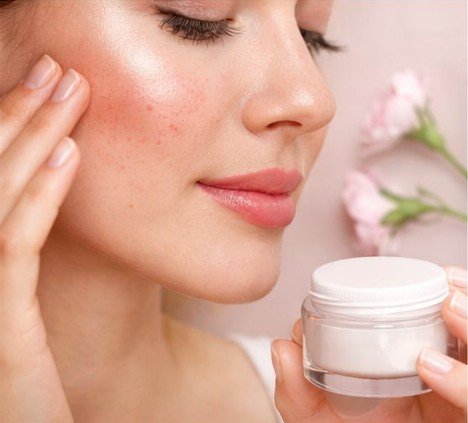
Sensitive Skin Guide: Causes, Triggers, and Best Calming Skincare Treatments
Learn what causes sensitive skin and discover the most effective calming ingredients, gentle skincare routines, and barrier-repair solutions that help reduce redness, irritation, and product reactions.
Ultimate Sensitive Skin Guide: Causes, Best Ingredients, and How to Build the Right Routine
Sensitive skin is easily triggered by products, weather, or environmental stressors. The right routine helps calm irritation, strengthen the skin barrier, and reduce redness and discomfort.
What Is Sensitive Skin?
Sensitive skin is a skin type that reacts easily to skincare products, temperature changes, and environmental factors.- Can sting or burn after product use
- Often shows redness or irritation
- May react to fragrance or harsh ingredients
- Needs calming and barrier-supporting care
- Benefits from minimal, gentle routines
What Causes Sensitive Skin?
Sensitive skin happens when the skin barrier is weakened or overreactive to external triggers.
Weakened Skin Barrier
A damaged barrier allows irritants to penetrate more easily.Harsh Skincare Products
Strong actives or fragrances can trigger irritation and redness.Weather Changes
Cold wind, heat, and humidity shifts can increase sensitivity.Over-Exfoliation
Too much exfoliation can leave skin vulnerable and reactive.Genetics
Some people naturally have more reactive skin types.Environmental Stress
Pollution and allergens can worsen sensitivity symptoms.Explore the Different Types of Sensitive Skin

Mild Sensitive Skin
- Occasional redness
- Light reactivity
- Needs gentle care

Reactive Sensitive Skin
- Frequent stinging or burning
- Strong reactions to products
- Needs minimal formulas

Redness-Prone Skin
- Visible flushing
- Heat sensitivity
- Needs calming ingredients

Barrier-Damaged Skin
- Highly reactive
- Dry + irritated
- Needs repair focus
Sensitive Skin Comparison Table
| Type | Main Cause | Texture | Main Need |
|---|---|---|---|
| Mild Sensitivity | Minor irritation | Slight redness | Gentle care |
| Reactive Skin | Overactive response | Stinging | Minimal routine |
| Redness-Prone | Inflammation | Flushed skin | Soothing care |
| Barrier Damage | Weakened barrier | Irritated + dry | Repair focus |
Best Cleansers for Sensitive Skin
CeraVe Hydrating Cleanser
Best For: Daily Gentle Cleansing Why: Non-stripping formula that supports the skin barrier Shop ProductLa Roche-Posay Toleriane Cleanser
Best For: Reactive Skin Why: Soothes while gently removing impurities Shop ProductVanicream Gentle Cleanser
Best For: Ultra-Sensitive Skin Why: Free of fragrance and irritants Shop ProductSensitive Skin vs Reactive Skin
These two terms are often used interchangeably, but they describe different skin behaviors. Understanding the difference helps you choose better products and avoid unnecessary irritation.
Sensitive Skin
Sensitive skin is a consistent skin type where the skin barrier is naturally more fragile. It tends to react more easily to environmental factors and skincare products over time.- Ongoing tendency toward irritation
- Often linked to genetics or a weak barrier
- Can feel tight, itchy, or uncomfortable regularly
- Needs long-term barrier support
- Responds best to gentle, consistent routines
Reactive Skin
Reactive skin is a temporary or situational response where the skin suddenly reacts strongly to a trigger. It may not always behave this way unless exposed to irritants.- Sudden stinging, redness, or burning
- Triggered by specific products or environments
- May come and go depending on exposure
- Can occur in any skin type (oily, dry, or normal)
- Often improves once the trigger is removed
Main Difference
The key difference is consistency versus reaction.- Sensitive skin: a long-term skin type
- Reactive skin: a short-term response to triggers
- Sensitive skin needs daily barrier support
- Reactive skin needs trigger identification and avoidance
Common Triggers
Both sensitive and reactive skin can be affected by similar irritants, but reactive skin tends to respond faster and more intensely.- Fragrance and essential oils
- Alcohol-based products
- Strong exfoliating acids (AHAs/BHAs)
- Extreme weather changes
- Over-cleansing or over-exfoliating
How Each Skin Type Should Be Treated
Approach differs based on whether the issue is constant or situational.- Sensitive skin: build a minimal, barrier-focused routine
- Reactive skin: simplify routine and identify triggers
- Both benefit from fragrance-free products
- Both require gentle cleansing and hydration
Quick Summary
Think of it this way:- Sensitive skin = always more delicate
- Reactive skin = sometimes overreacts
- You can have both at the same time
Best Products for Sensitive Skin
CeraVe Moisturizing Cream
Best For: Barrier Support Why: Strengthens and hydrates without irritation Shop ProductLa Roche-Posay Cicaplast Balm
Best For: Irritated Skin Why: Calms redness and supports healing Shop ProductAvene Cicalfate Cream
Best For: Repairing Barrier Why: Helps restore and protect sensitive skin Shop ProductBest Products by Skin Type (Sensitive Skin)
Mild Sensitive Skin
Best Pick: La Roche-Posay Toleriane Double Repair Moisturizer Why: Lightweight, fragrance-free hydration that helps strengthen a mildly reactive skin barrier without irritation Shop ProductVery Sensitive Skin
Best Pick: Vanicream Moisturizing Cream Why: Ultra-minimal formula designed for highly reactive skin with no common irritants Shop ProductReactive Sensitive Skin
Best Pick: Avène Skin Recovery Cream Why: Soothing thermal water formula that calms sudden irritation and reduces stinging or burning Shop ProductRedness-Prone Skin
Best Pick: Bioderma Sensibio AR Cream Why: Targets visible redness while calming inflammation and supporting skin comfort Shop ProductBest Products by Concern (Sensitive Skin)
Stinging / Burning
Best Pick: La Roche-Posay Cicaplast Baume B5 Why: Helps soothe irritation quickly while repairing a compromised skin barrier Shop ProductRedness
Best Pick: Avène Antirougeurs Calm Redness Relief Cream Why: Calms flushing and helps reduce visible redness over time Shop ProductItching / Irritation
Best Pick: Vanicream Moisturizing Cream Why: Simple, non-irritating formula that helps restore comfort to sensitive skin Shop ProductBarrier Damage
Best Pick: CeraVe Healing Ointment Why: Seals in moisture and protects a weakened skin barrier from external triggers Shop ProductBest Ingredients for Sensitive Skin
Ceramides
Best Pick: CeraVe Moisturizing Cream Why: Helps rebuild the skin barrier and reduce reactivity over time Shop ProductPanthenol (Vitamin B5)
Best Pick: La Roche-Posay Cicaplast Baume B5 Why: Soothes irritation and supports skin repair and recovery Shop ProductCentella Asiatica
Best Pick: Purito Centella Unscented Serum Why: Calms inflammation and helps reduce redness in sensitive skin Shop ProductColloidal Oatmeal
Best Pick: Aveeno Skin Relief Moisturizing Lotion Why: Helps soothe itching and strengthens the skin’s natural barrier Shop ProductMorning vs Night Routine for Sensitive Skin
Sensitive skin needs a calm, minimal routine focused on barrier protection, reducing irritation, and avoiding common triggers like fragrance and harsh actives.
Morning Routine
- Use a gentle, fragrance-free cleanser (or just rinse if very sensitive)
- Apply a soothing toner or hydrating mist (optional)
- Use a barrier-supporting moisturizer
- Finish with mineral or sensitive-skin sunscreen SPF 30+
Night Routine
- Remove makeup with a gentle micellar water or balm cleanser
- Cleanse with a non-stripping, fragrance-free cleanser
- Apply calming serum (centella, panthenol, or ceramides)
- Use a soothing moisturizer or repair cream
- Seal in moisture only if needed (barrier ointment for flare-ups)
Complete Sensitive Skin Routine Step-by-Step
This routine focuses on reducing irritation, strengthening the skin barrier, and keeping skincare as simple and consistent as possible.
Step 1: Gentle Cleanser
Use a fragrance-free, non-foaming cleanser to avoid stripping the skin or triggering irritation.Step 2: Soothing Toner (Optional)
Choose alcohol-free formulas with calming ingredients to reduce redness and support hydration.Step 3: Calming Serum
Use barrier-repair ingredients like centella asiatica, panthenol, or niacinamide (low strength).Step 4: Moisturizer
Apply a fragrance-free moisturizer that supports and strengthens the skin barrier.Step 5: Spot Soothing (As Needed)
Use a calming balm or ointment on irritated or inflamed areas only.Step 6: Sunscreen (AM Only)
Use mineral or sensitive-skin sunscreen to protect against UV-triggered irritation and redness.Ingredients to Avoid With Sensitive Skin
Sensitive skin reacts easily to certain ingredients that can trigger redness, stinging, burning, or long-term barrier irritation.
Fragrance & Essential Oils
One of the most common triggers for sensitive skin, often causing redness, itching, or burning sensations.High Alcohol Formulas
Can strip the skin barrier and increase dryness, tightness, and irritation in reactive skin types.Strong Exfoliating Acids
High-strength AHAs, BHAs, or frequent exfoliation can lead to burning, redness, and barrier damage.Harsh Physical Scrubs
Scrubbing particles can micro-damage the skin and worsen sensitivity and inflammation.Strong Active Combinations
Mixing multiple actives (like retinoids + acids) can overwhelm sensitive skin and trigger reactions.Who Should Be Extra Careful With Sensitive Skin?
People Starting Retinoids
Retinoids can increase redness, peeling, and irritation, especially during the adjustment phase.Compromised Skin Barrier
If your skin barrier is already weakened, it is more likely to react strongly to most products.Rosacea-Prone Skin
Skin prone to flushing or rosacea can react quickly to heat, fragrance, and active ingredients.Recently Over-Exfoliated Skin
Over-exfoliation makes skin highly reactive and more prone to burning or stinging.Allergy-Prone Skin
People with known ingredient sensitivities should patch test and avoid complex formulas.How to Care for Sensitive Skin Properly
Sensitive skin improves most when you focus on calming irritation, strengthening the skin barrier, and keeping your routine simple and consistent.
Use Lukewarm Water
Hot water can trigger redness and irritation, while lukewarm water helps keep the skin calm and balanced.Pat Skin Dry Gently
Avoid rubbing with a towel, which can cause friction and increase sensitivity or redness.Choose Fragrance-Free Cleansers
Use gentle, non-stripping cleansers that do not contain fragrance, alcohol, or harsh surfactants.Keep Routine Minimal
Fewer products reduce the chance of irritation and help the skin stay stable and calm.Avoid Over-Exfoliating
Too much exfoliation can damage the skin barrier and lead to burning, stinging, or long-term sensitivity.Use Daily SPF
Sunscreen helps protect sensitive skin from UV-triggered redness, inflammation, and barrier damage.How to Layer Products for Sensitive Skin
Layering for sensitive skin should be simple, gentle, and focused on calming and protecting the skin barrier.
Start With Gentle Cleansing
Use a mild cleanser and avoid stripping the skin of its natural protective barrier.Apply Soothing Hydration First
Use calming toners or essences with ingredients like centella or panthenol to reduce irritation.Use Lightweight Serums
Apply barrier-supporting serums before heavier creams to calm and strengthen the skin.Seal With a Barrier Moisturizer
Use fragrance-free moisturizers to lock in hydration and protect sensitive skin.Avoid Layering Too Many Actives
Stick to one active ingredient at a time to avoid overwhelming the skin.Finish With Sunscreen (AM Only)
Always apply a gentle sunscreen as the final step in the morning routine.Common Sensitive Skin Mistakes to Avoid
Avoiding these common mistakes can help reduce irritation, prevent flare-ups, and strengthen the skin barrier over time.
Over-Cleansing
Washing too often can strip the skin barrier and increase redness, tightness, and irritation.Skipping Moisturizer
Sensitive skin relies on a strong barrier, and skipping moisturizer can make it more reactive and unstable.Using Fragranced Products
Fragrance and essential oils are common triggers that can cause burning, itching, or redness.Over-Exfoliating
Too many exfoliating acids or scrubs can damage the barrier and make skin more reactive over time.Using Too Many New Products
Introducing multiple new products at once makes it hard to identify triggers and can overwhelm sensitive skin.Ignoring Patch Testing
Skipping patch tests increases the risk of unexpected irritation or allergic reactions.How Long Sensitive Skin Takes to Improve
Sensitive skin improves gradually as the barrier strengthens and triggers are reduced or removed.
1–3 Days
- Less immediate irritation
- Calmer, less reactive skin
- Reduced stinging or burning
1–2 Weeks
- Fewer flare-ups
- Improved skin comfort
- Stronger tolerance to products
3–6 Weeks
- More stable skin barrier
- Reduced redness and sensitivity
- Better product tolerance overall
Long-Term Care
- Consistently calm skin
- Fewer reactions to triggers
- Stronger, more resilient barrier
Seasonal Sensitive Skin Guide
Winter Sensitivity
Cold air and indoor heating can weaken the barrier, leading to dryness, redness, and irritation.Summer Sensitivity
Heat, sweat, and sun exposure can trigger flushing, stinging, and increased reactivity.Travel Sensitivity
Climate changes, airplane air, and new environments can quickly trigger flare-ups.Year-Round Care
Consistent barrier support, gentle skincare, and daily SPF help keep sensitivity under control.Helpful Tools for Sensitive Skin
These tools and accessories help reduce irritation, support the skin barrier, and make skincare more gentle and consistent.
Humidifiers
Helps maintain moisture in the air, reducing dryness and irritation that can trigger sensitivity.Soothing Facial Mists
Provides gentle, alcohol-free hydration to calm redness and refresh sensitive skin throughout the day.Cooling Face Rollers
Helps reduce redness, puffiness, and heat-related irritation by gently cooling the skin.Soft Microfiber Cloths
Prevents friction and irritation compared to rough towels or exfoliating tools.How to Choose the Right Products for Sensitive Skin
Choosing skincare for sensitive skin should focus on simplicity, barrier support, and avoiding common irritants like fragrance and harsh actives.
By Sensitivity Level
Mild Sensitivity: Gentle hydrating products with minimal ingredients work best High Sensitivity: Ultra-simple, fragrance-free formulas with barrier support only Reactive Skin: Soothing products designed to reduce redness and flare-upsBy Skin Concern
Redness: Calming ingredients like centella and niacinamide (low strength) Stinging/Burning: Barrier-repair creams that help restore skin comfort Irritation: Fragrance-free and alcohol-free soothing formulas Barrier Damage: Ceramide-rich products for repair and protectionBy Texture Preference
Lotion: Lightweight daily hydration Cream: Balanced barrier support and moisture Balm: Intensive calming and repair for flare-ups Gel: Cooling hydration for hot or irritated skinBy Ingredient Focus
Ceramides: Strengthen and repair the skin barrier Centella Asiatica: Calms inflammation and redness Panthenol (B5): Soothes irritation and supports healing Colloidal Oatmeal: Helps reduce itching and discomfortBy Environment
Cold Weather: Use richer creams to prevent barrier weakening Hot/Humid Weather: Lightweight, non-irritating formulas reduce overload Dry Indoor Air: Humidifiers + gentle hydration help reduce flare-upsBy Experience Level
Beginners: Cleanser, moisturizer, sunscreen only Intermediate: Add calming serum and barrier support Advanced: Minimal layering with targeted soothing treatments onlyNot Sure What Your Sensitive Skin Needs?
Match your main concern to the best type of skincare approach for calming irritation, strengthening the skin barrier, and reducing reactivity.
| Concern | Best Solution |
|---|---|
| Constant Redness | Barrier Repair Moisturizer + Soothing Serum (Centella / Panthenol) |
| Stinging or Burning | Ultra-Gentle Cleanser + Fragrance-Free Repair Cream |
| Sudden Flare-Ups | Minimal Routine + Calming Balm (Cicaplast / Cicalfate types) |
| Itchy or Irritated Skin | Colloidal Oatmeal + Barrier Strengthening Moisturizer |
| Reaction to Products | Simplified Routine + Patch Testing + Fragrance-Free Formulas |
| Weakened Skin Barrier | Ceramide Creams + Avoiding Actives Temporarily |
| Heat or Environment Sensitivity | Cooling Gel Moisturizer + Gentle Sunscreen + Humidifier Use |
Frequently Asked Questions About Sensitive Skin
Here are the most common questions about sensitive skin, what triggers it, and how to properly care for it.
What causes sensitive skin?
Sensitive skin can be caused by a weakened skin barrier, genetics, allergies, harsh products, or environmental triggers like heat and pollution.Can sensitive skin go away?
Sensitive skin is usually a long-term skin type, but symptoms can be greatly reduced with proper barrier care and avoiding triggers.Do I need to exfoliate sensitive skin?
Yes, but very rarely—only with gentle exfoliation (if tolerated) and never when the skin is irritated or inflamed.What is the best moisturizer for sensitive skin?
Fragrance-free moisturizers with ceramides, panthenol, or colloidal oatmeal are best for calming and strengthening the skin barrier.Why does my skin sting when I apply products?
This usually means your skin barrier is compromised and allowing ingredients to penetrate too deeply.Is sensitive skin the same as allergic skin?
No—sensitive skin reacts easily, while allergic reactions involve the immune system and specific allergens.Can sunscreen irritate sensitive skin?
Yes, some chemical sunscreens can trigger reactions. Mineral sunscreens are often better tolerated.Why is my skin more sensitive in winter?
Cold air and indoor heating weaken the skin barrier, making it more reactive and dry.Should I use oils on sensitive skin?
Sometimes—light, non-fragranced oils can help, but only if your skin tolerates them well.How long does it take to calm sensitive skin?
With a consistent gentle routine, improvements can often be seen within 2–6 weeks depending on severity.Common Sensitive Skin Myths Debunked
Many misconceptions about sensitive skin can lead to over-treating, irritation, or worsening the skin barrier.