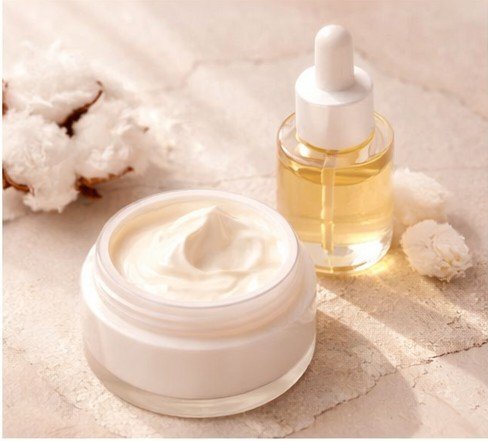
Dry Skin Guide: Causes, Treatments & Hydration Routine
Dry skin happens when your skin barrier can’t hold enough moisture. In this guide, you’ll learn the causes, identify your skin type and severity, and discover the best ingredients and routines to restore hydration, smooth texture, and strengthen your skin barrier.
Ultimate Dry Skin Guide: Causes, Best Ingredients, and How to Build the Right Routine
Dry skin happens when the skin lacks enough oil and moisture to maintain a healthy protective barrier. The right skincare routine can help restore hydration, reduce flaking, and improve overall comfort and skin texture.
What Is Dry Skin?
Dry skin is a skin type characterized by tightness, rough texture, flaking, and lack of moisture retention.- Can feel tight or rough throughout the day
- Often appears dull or flaky
- May become irritated more easily
- Needs hydration and barrier support
- Benefits from rich moisturizing ingredients
What Causes Dry Skin?
Dry skin happens when your skin loses too much moisture or is unable to retain enough oil to protect its barrier.
Cold or Dry Weather
Low humidity pulls moisture from the skin, making it feel tight and flaky.Hot Showers
Hot water strips natural oils that protect your skin barrier.Harsh Skincare Products
Cleansers with sulfates or alcohol can damage the skin barrier.Skin Barrier Damage
Over-exfoliation or irritation weakens the skin’s ability to hold moisture.Aging
As skin ages, it naturally produces less oil.Medical Conditions
Conditions like eczema or dermatitis can contribute to dryness.Explore the Different Types of Dry Skin

Mild Dry Skin
- Slight tightness
- Occasional dryness
- Needs lightweight hydration

Flaky Dry Skin
- Visible dry patches
- Rough texture
- Needs barrier repair

Sensitive Dry Skin
- Easily irritated
- Can sting or burn
- Needs soothing formulas

Dehydrated Skin
- Lacks water, not oil
- Can feel tight and oily
- Needs hydration layers

Seasonal Dry Skin
- Triggered by weather
- Worsens in winter
- Needs extra moisture

Barrier-Damaged Skin
- Weak skin barrier
- Increased sensitivity
- Needs repair-focused care
Dry Skin Comparison Table
| Type | Main Cause | Texture | Main Need |
|---|---|---|---|
| Mild Dryness | Low oil production | Slightly rough | Hydration |
| Flaky Skin | Barrier damage | Peeling patches | Barrier repair |
| Sensitive Dry Skin | Irritation | Red + tight | Soothing care |
| Dehydrated Skin | Water loss | Tight but oily | Water-based hydration |
| Seasonal Dryness | Weather changes | Dry patches | Extra moisture |
| Barrier Damage | Over-exfoliation | Raw + irritated | Skin repair |
Best Cleansers for Dry Skin
CeraVe Hydrating Cleanser
Best For: Daily Gentle Cleansing Why: Removes dirt without stripping moisture or damaging the barrier Shop ProductLa Roche-Posay Toleriane Hydrating Cleanser
Best For: Sensitive Dry Skin Why: Soothes while cleansing and supports hydration balance Shop ProductVanicream Gentle Facial Cleanser
Best For: Minimal Ingredient Routine Why: Free from irritants and safe for extremely dry or reactive skin Shop ProductDry Skin vs Dehydrated Skin
Dry Skin
Dry skin is a skin type that naturally produces less oil and needs long-term moisture support.Dehydrated Skin
Dehydrated skin lacks water and can happen to any skin type, including oily skin.Main Difference
Dry skin lacks oil, while dehydrated skin lacks water and hydration.Best Products for Dry Skin
CeraVe Moisturizing Cream
Best For: Deep Moisture Why: Rich ceramide formula helps restore the skin barrier and lock in hydration Shop ProductLa Roche-Posay Lipikar Balm AP+
Best For: Barrier Repair Why: Nourishing balm that calms irritation and relieves extremely dry skin Shop ProductLaneige Cream Skin Toner
Best For: Hydration Layering Why: Combines toner and moisturizer benefits for long-lasting hydration Shop ProductFirst Aid Beauty Ultra Repair Cream
Best For: Sensitive Dry Skin Why: Gentle soothing cream that reduces tightness and irritation Shop ProductBest Products by Skin Type
Mild Dry Skin
Best Pick: Neutrogena Hydro Boost Gel Cream Why: Lightweight hydration that absorbs quickly without heaviness Shop ProductVery Dry Skin
Best Pick: CeraVe Moisturizing Cream Why: Rich ceramide cream helps deeply nourish and repair dry skin Shop ProductSensitive Dry Skin
Best Pick: First Aid Beauty Ultra Repair Cream Why: Gentle soothing ingredients help calm irritation and redness Shop ProductDehydrated Skin
Best Pick: Laneige Cream Skin Toner Why: Adds lightweight hydration layers that improve moisture retention Shop ProductBest Products by Concern
Flaking
Best Pick: La Roche-Posay Lipikar Balm AP+ Why: Rich moisturizing formula helps reduce visible dry patches Shop ProductTightness
Best Pick: CeraVe Moisturizing Cream Why: Long-lasting hydration relieves uncomfortable tight skin Shop ProductRedness
Best Pick: First Aid Beauty Ultra Repair Cream Why: Soothing ingredients help calm irritated dry skin Shop ProductDullness
Best Pick: Laneige Cream Skin Toner Why: Boosts hydration for healthier-looking radiant skin Shop ProductBest Ingredients for Dry Skin
Hyaluronic Acid
Best Pick: Neutrogena Hydro Boost Why: Helps attract and retain moisture in the skin Shop ProductCeramides
Best Pick: CeraVe Moisturizing Cream Why: Helps repair and strengthen the skin barrier Shop ProductGlycerin
Best Pick: Vanicream Moisturizing Cream Why: Draws hydration into the skin and prevents dryness Shop ProductSqualane
Best Pick: The Ordinary Squalane Oil Why: Lightweight oil that helps soften and nourish dry skin Shop ProductMorning vs Night Routine for Dry Skin
Dry skin needs consistent hydration and barrier support throughout both morning and evening skincare routines.
Morning Routine
- Use a gentle hydrating cleanser
- Apply hydrating toner or essence
- Use moisturizer with ceramides
- Finish with sunscreen SPF 30+
Night Routine
- Double cleanse if wearing makeup
- Apply hydrating serum
- Use rich moisturizer or sleeping mask
- Seal in hydration overnight
Complete Dry Skin Routine Step-by-Step
This is a full routine structure to help repair dryness, restore hydration, and strengthen your skin barrier.
Step 1: Cleanser
Use a gentle hydrating cleanser to avoid stripping natural oils.Step 2: Hydrating Toner
Adds water-based hydration and preps skin for better absorption.Step 3: Serum
Use hyaluronic acid or barrier-repair serums for deep hydration.Step 4: Moisturizer
Locks in hydration and strengthens the skin barrier.Step 5: Facial Oil (Optional)
Seals in moisture for extra dry or winter skin.Step 6: Sunscreen (AM Only)
Protects skin from UV damage that worsens dryness.Ingredients to Avoid With Dry Skin
Some skincare ingredients can worsen dryness, increase irritation, or weaken the skin barrier if overused.
High Alcohol Formulas
Can strip the skin barrier and worsen tightness or irritation.Strong Exfoliating Acids
Overusing AHAs or BHAs can increase dryness and flaking.Harsh Scrubs
Physical exfoliants can damage already fragile dry skin.Heavy Fragrance
Fragrance may trigger irritation or redness in dry sensitive skin.Foaming Cleansers
Some harsh cleansers remove too much natural moisture from the skin.Who Should Be Extra Careful With Dry Skin?
People Using Retinoids
Retinoids may increase dryness and sensitivity during adjustment periods.Over-Exfoliated Skin
Too much exfoliation can weaken the skin barrier and worsen dryness.Very Sensitive Skin
Sensitive skin often reacts more strongly when dryness damages the barrier.How to Care for Dry Skin Properly
Dry skin improves most when hydration, barrier repair, and gentle skincare habits are used consistently every day.
Use Lukewarm Water
Hot water can strip natural oils and worsen dryness or irritation.Apply Moisturizer on Damp Skin
Moisturizer works best when applied while the skin is slightly damp to help lock in hydration.Choose Gentle Cleansers
Hydrating cleansers help clean the skin without removing protective oils.Use Hydrating Layers
Layering toners, essences, and serums can improve moisture retention.Avoid Over-Exfoliating
Too much exfoliation can weaken the barrier and increase flaking or redness.Protect Skin With SPF
Daily sunscreen helps prevent UV damage that can worsen dryness and sensitivity.How to Layer Products for Dry Skin
Layering products correctly helps dry skin hold moisture longer and improves overall hydration levels.
Start With Hydration
Use hydrating toners or essences immediately after cleansing.Apply Serums Before Creams
Lightweight hydrating serums should go before thicker moisturizers.Seal In Moisture
Creams and facial oils help lock hydration into the skin barrier.Use Overnight Masks
Sleeping masks can provide additional moisture while you sleep.Allow Layers to Absorb
Wait a few seconds between products to reduce pilling and improve absorption.Finish With Sunscreen
Morning routines should always end with SPF protection.Common Dry Skin Mistakes to Avoid
Avoiding these common mistakes can help reduce irritation, improve hydration, and strengthen the skin barrier over time.
Over-Cleansing
Washing the face too often can strip natural oils and worsen dryness.Skipping Moisturizer
Dry skin needs consistent moisture support both morning and night.Using Harsh Products
Strong exfoliants and drying formulas can damage the skin barrier.Ignoring Sunscreen
UV exposure can increase dryness and accelerate skin aging.Using Too Many Actives
Combining strong skincare ingredients can overwhelm dry sensitive skin.Expecting Overnight Results
Barrier repair and hydration improvements take consistent care over time.How Long Dry Skin Takes to Improve
Dry skin improvements happen gradually as the skin barrier becomes healthier and moisture levels improve.
1–3 Days
- Skin feels softer
- Reduced tightness
- Improved comfort
1–2 Weeks
- Less visible flaking
- Smoother texture
- Better hydration retention
3–6 Weeks
- Stronger skin barrier
- Reduced sensitivity
- Healthier skin appearance
Long-Term Care
- Improved resilience
- Balanced moisture levels
- Healthier overall skin texture
Seasonal Dry Skin Guide
Winter Dry Skin
Cold air and indoor heating reduce moisture in the skin, requiring thicker creams and barrier repair.Summer Dry Skin
Air conditioning and sun exposure can still cause dehydration even in hot weather.Travel Dryness
Airplane cabins and climate changes can quickly dry out the skin.Year-Round Care
Consistent hydration and SPF use help prevent long-term dryness damage.Helpful Tools for Dry Skin
These skincare tools and accessories can help improve hydration and reduce dryness throughout the day.
Humidifiers
Adds moisture to the air to help reduce skin dryness indoors.Facial Mists
Provides quick hydration refreshment throughout the day.Silicone Face Masks
Helps seal in hydration from skincare products.Soft Cleansing Cloths
Gentler on dry sensitive skin than harsh scrubbing tools.How to Choose the Right Products for Dry Skin
Choosing the right skincare products for dry skin depends on hydration level, sensitivity, climate, and overall skin barrier health.
By Dryness Level
Mild Dryness: Lightweight hydrating creams work well Very Dry Skin: Rich creams and barrier-repair formulas help deeply nourish Flaky Skin: Soothing creams with ceramides help repair damaged skinBy Skin Concern
Redness: Calming fragrance-free products help reduce irritation Tightness: Rich moisturizers improve comfort and hydration Flaking: Barrier-repair products help smooth rough patches Dullness: Hydration improves overall glow and textureBy Texture Preference
Gel Cream: Lightweight hydration Cream: Rich nourishing moisture Balm: Intensive barrier support Oil: Extra nourishment and softnessBy Ingredient Focus
Ceramides: Barrier repair support Hyaluronic Acid: Water-based hydration Glycerin: Moisture retention Squalane: Lightweight nourishmentBy Climate
Winter: Rich creams and occlusive layers help prevent moisture loss Humid Climates: Lightweight hydrating products feel more comfortableBy Experience Level
Beginners: Focus on cleanser, moisturizer, and sunscreen Intermediate: Add hydrating serums and overnight masks Advanced: Build layered hydration routines based on skin needsNot Sure What Your Dry Skin Needs?
Match your main concern to the best type of skincare approach for dry skin relief.
| Concern | Best Solution |
|---|---|
| Constant Tightness | Rich Moisturizer + Hydrating Serum |
| Flaking or Peeling | Ceramide Barrier Repair Cream |
| Redness or Irritation | Soothing Fragrance-Free Products |
| Dull, Lifeless Skin | Hydrating Toner + Moisture Layering |
| Winter Dryness | Thicker Creams + Overnight Masks |
| Dehydrated Feeling | Hyaluronic Acid Serums + Water-Based Hydration |
| Itchy Skin | Barrier Repair + Minimal Skincare Routine |
Frequently Asked Questions About Dry Skin
Here are the most common questions about dry skin, what causes it, and how to properly care for it.
What causes dry skin?
Dry skin can be caused by genetics, weather changes, hot showers, harsh products, or a weakened skin barrier.Can dry skin become oily?
Dry skin type does not become oily, but dehydration can make skin feel both dry and oily at the same time.Do I need to exfoliate dry skin?
Yes, but only gently and 1–2 times per week to avoid damaging the skin barrier.What is the best moisturizer for dry skin?
Thick creams with ceramides, glycerin, and hyaluronic acid are best for restoring moisture.Why does my skin feel tight after washing?
This usually happens when cleansers strip too much natural oil from the skin.Is dry skin the same as dehydrated skin?
No — dry skin lacks oil, while dehydrated skin lacks water.Can drinking water fix dry skin?
Drinking water helps overall hydration, but topical skincare is still necessary.Why is my dry skin worse in winter?
Cold air and indoor heating both reduce moisture in the skin.Should I use oil on dry skin?
Yes — facial oils can help seal in moisture when layered correctly.How long does it take to fix dry skin?
With consistent care, improvements can be seen in 1–4 weeks depending on severity.Common Dry Skin Myths Debunked
Many misconceptions about dry skin can lead to ineffective or even damaging skincare habits.